

Introduction
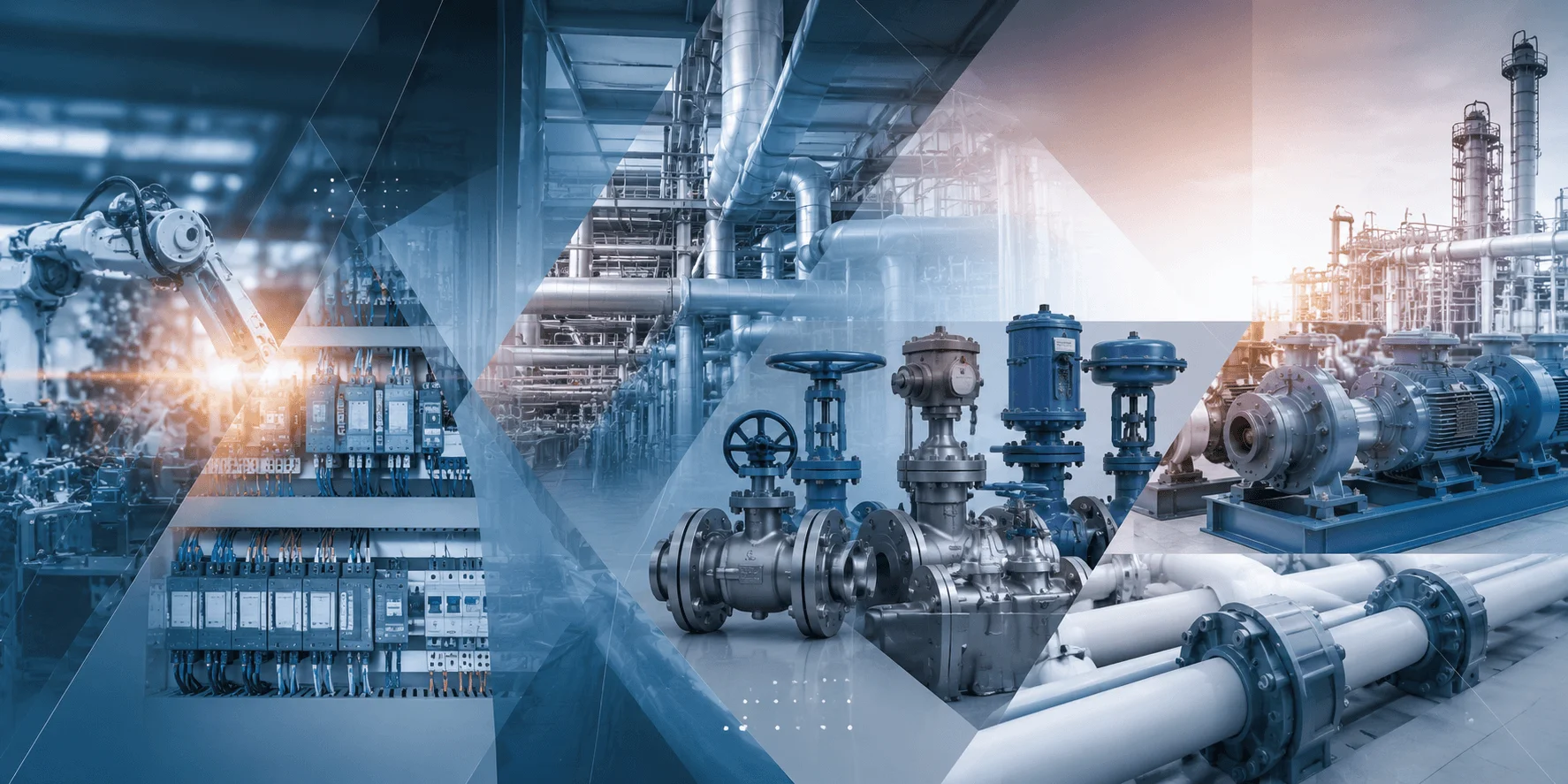
Industrial automation has transformed the way industries operate, shifting from manual processes to intelligent, data-driven systems. With the integration of advanced technologies like PLC (Programmable Logic Controllers), SCADA (Supervisory Control and Data Acquisition), robotics, and IoT, industries can now achieve higher efficiency, precision, and safety.
Automation is no longer a luxury—it is a necessity for businesses aiming to stay competitive in today’s fast-paced industrial environment.

What is Industrial Automation?
Industrial automation refers to the use of control systems, machines, and software to perform tasks with minimal human intervention.
These systems include:
- PLC systems
- SCADA systems
- Distributed Control Systems (DCS)
- Industrial robotics
Automation helps streamline operations, reduce errors, and enhance productivity.
Key Components of Industrial Automation
1. PLC Systems
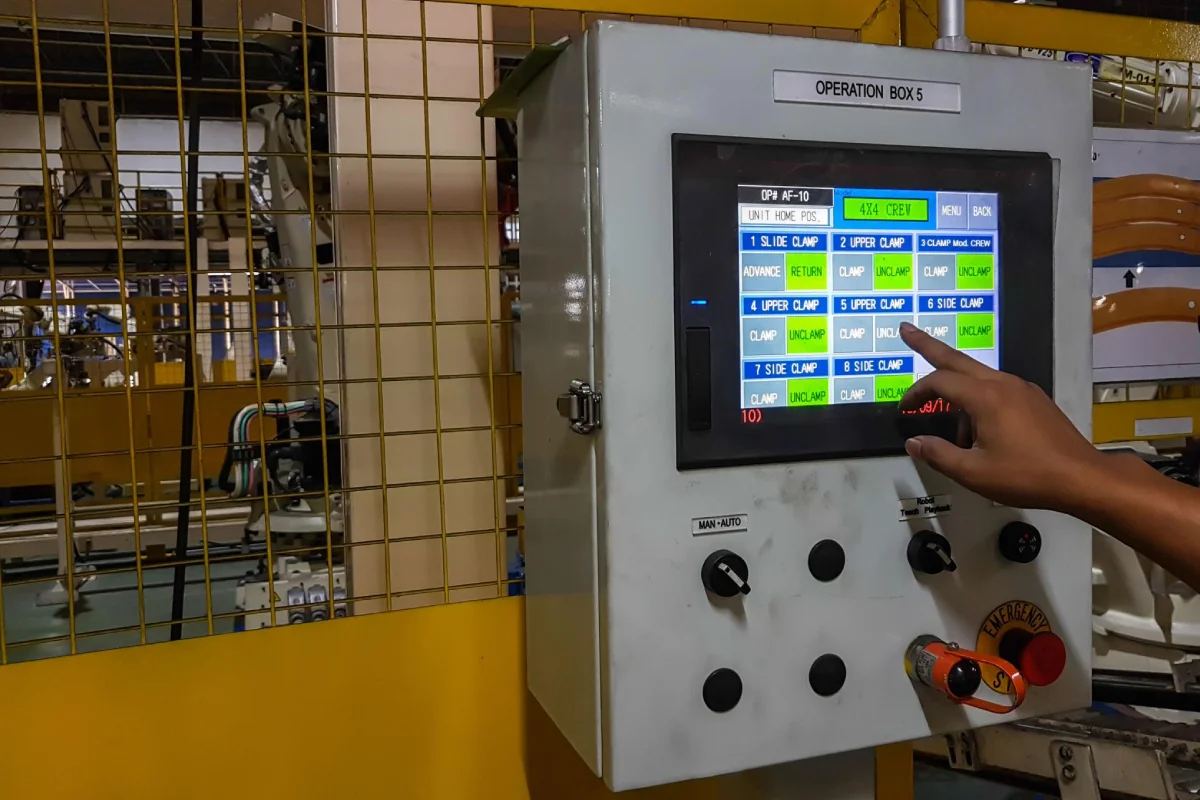
PLC systems act as the brain of automation. They receive inputs from sensors, process logic, and control outputs like motors, valves, and actuators.
Benefits:
- High reliability
- Real-time control
- Flexible programming
2. SCADA Systems
SCADA systems provide real-time monitoring and control of industrial processes.
Functions:
- Data acquisition
- Process visualization
- Alarm management
3. Sensors and Instrumentation
Sensors collect data such as:
- Temperature
- Pressure
- Flow rate
This data is crucial for accurate control and decision-making.
4. Actuators
Actuators convert control signals into physical actions such as opening valves or starting motors.
Benefits of Automation in Industry
1. Increased Efficiency
Automation reduces manual effort and speeds up processes, leading to higher productivity.
2. Improved Accuracy
Machines operate with precision, minimizing human errors and ensuring consistent quality.
3. Enhanced Safety
Automation reduces human exposure to hazardous environments, improving workplace safety.
4. Cost Reduction
Although initial investment is high, automation reduces long-term operational costs.
5. Real-Time Monitoring
Operators can monitor systems remotely and make quick decisions based on real-time data.
Applications of Industrial Automation
Manufacturing Industry
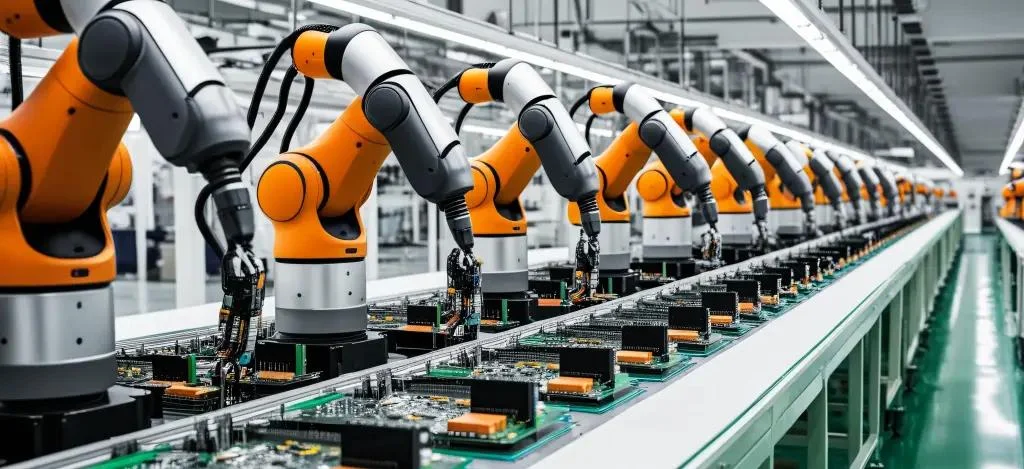
Automation is widely used in assembly lines and production processes.
Oil & Gas
Controls drilling, refining, and distribution operations.
Chemical Industry
Ensures safe handling of hazardous materials.
Power Generation
Automates turbine operations and energy distribution.
Industry 4.0 and Smart Manufacturing
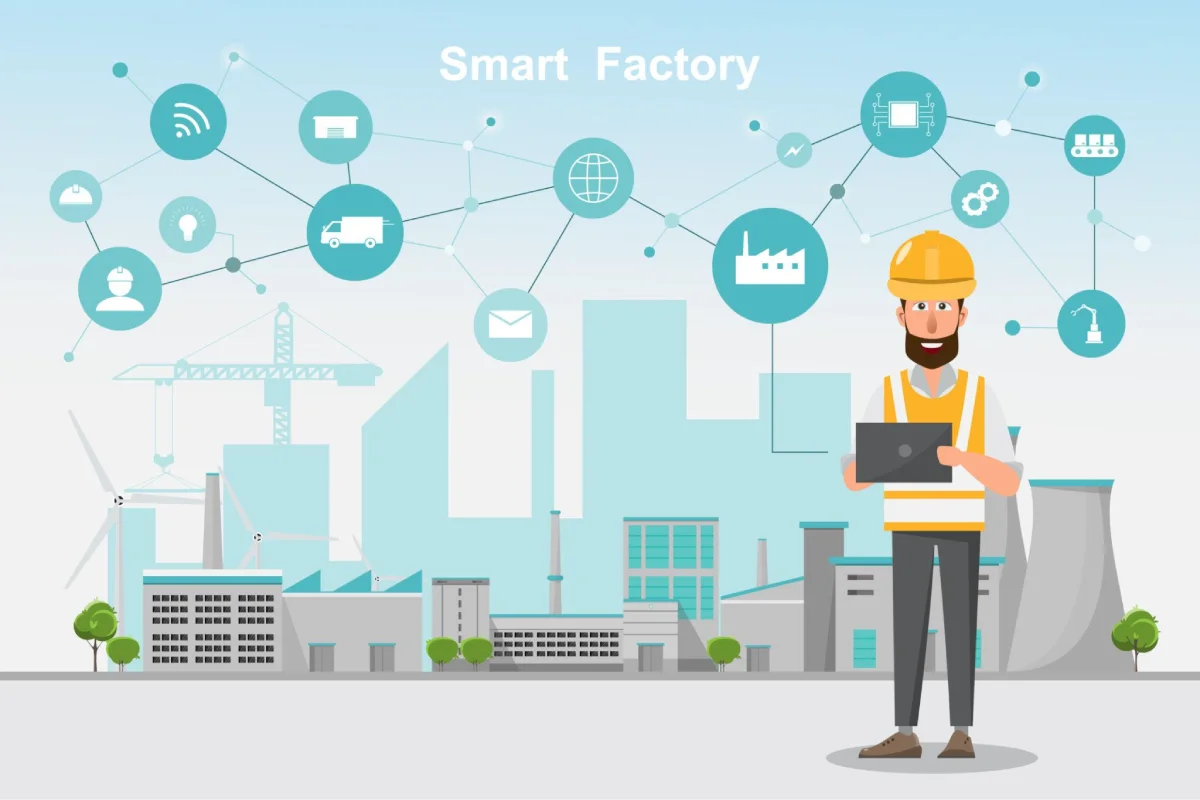
The concept of Industry 4.0 focuses on integrating digital technologies with industrial processes.
Key technologies include:
- Internet of Things (IoT)
- Artificial Intelligence (AI)
- Cloud computing
These technologies enable:
- Predictive maintenance
- Data-driven decision-making
- Remote monitoring
Challenges in Industrial Automation
- High initial investment
- Skilled workforce requirement
- Cybersecurity risks
Future Trends in Automation
- AI-powered decision systems
- Collaborative robots (cobots)
- Fully autonomous factories
Conclusion
Industrial automation is revolutionizing industries by improving efficiency, safety, and productivity. Companies that embrace automation are better positioned to compete in the global market.
Investing in automation is not just about technology—it’s about building a smarter, more efficient future.