


Introduction
Industrial pumps are essential for moving fluids in manufacturing, processing, and utility systems. Choosing the right pump is crucial to ensure system efficiency, minimize downtime, and reduce operational costs.
A poorly selected pump can lead to energy loss, frequent breakdowns, and increased maintenance expenses.
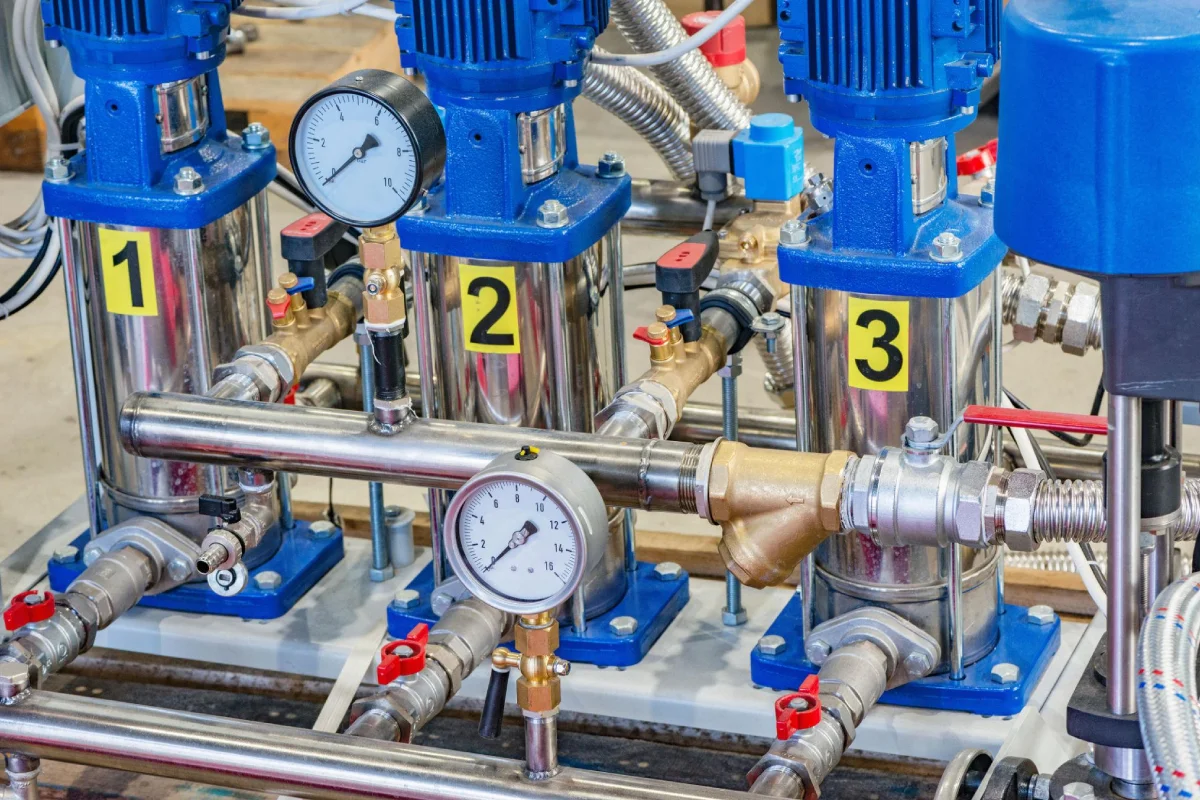
Types of Industrial Pumps
1. Centrifugal Pumps
The most commonly used pumps, ideal for low-viscosity fluids.
Applications:
- Water supply
- Chemical processing
- HVAC systems
2. Positive Displacement Pumps
These pumps move fluid by trapping a fixed amount and forcing it through the system.
Best For:
- High-viscosity fluids
- Precise flow control
3. Diaphragm Pumps
Used for handling corrosive or hazardous fluids.
4. Gear Pumps
Commonly used in oil and lubrication systems.
Key Factors in Pump Selection
1. Flow Rate
Determine how much fluid needs to be moved per unit time.
2. Head / Pressure
The pump must overcome system resistance.
3. Fluid Properties
Consider:
- Viscosity
- Temperature
- Chemical composition
4. Efficiency
Energy-efficient pumps reduce operating costs significantly.
5. Material Compatibility
Ensure the pump material can withstand the fluid being handled.
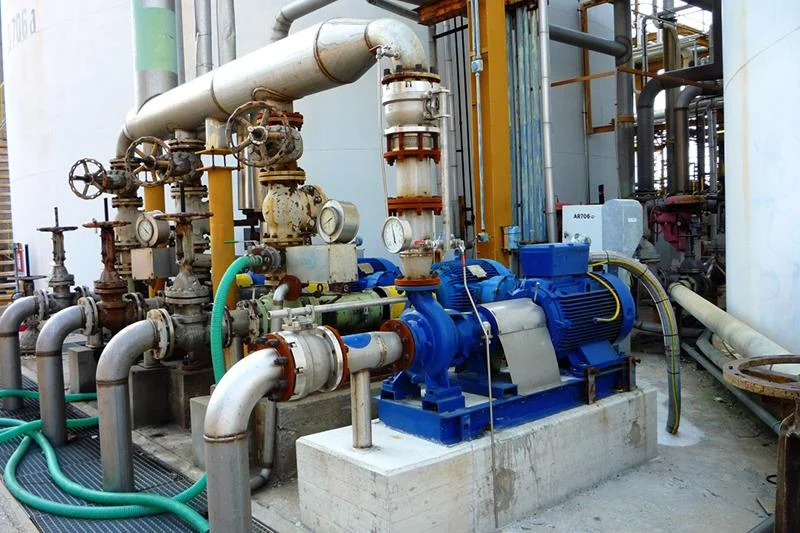
Common Industrial Applications
- Oil & Gas
- Chemical Processing
- Water Treatment
- Food & Beverage
- Pharmaceuticals
Importance of Proper Pump Sizing
Incorrect sizing can result in:
- Cavitation
- Excessive wear
- Reduced efficiency
Proper sizing ensures optimal performance and longevity.
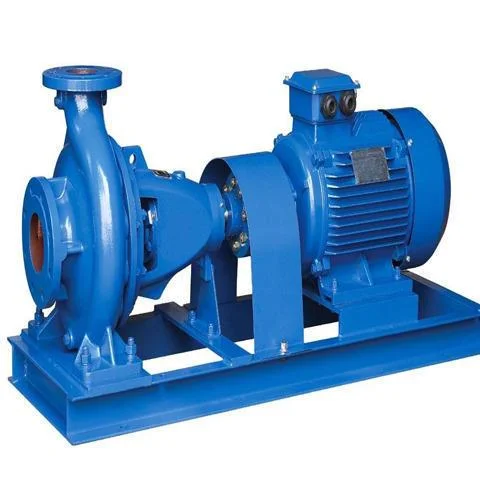
Maintenance Best Practices
- Regular inspection
- Alignment checks
- Seal and bearing maintenance
- Cleaning and lubrication
Energy Efficiency in Pump Systems
Energy consumption is a major cost factor. Using:
- Variable frequency drives (VFDs)
- High-efficiency motors
can significantly reduce energy usage.
Future Trends in Pump Technology
- Smart pumps with IoT integration
- Predictive maintenance systems
- Automated monitoring
Conclusion
Choosing the right industrial pump is essential for efficient and reliable operations. By considering factors like flow rate, pressure, and fluid properties, industries can optimize performance and reduce costs.