

Introduction
Flow control is a critical aspect of industrial systems, ensuring that fluids such as liquids, gases, and steam move efficiently and safely through pipelines and processes.
Proper flow control enhances system performance, reduces energy consumption, and prevents equipment damage.

What is Flow Control?
Flow control refers to the regulation of fluid movement within a system using various devices such as valves, pumps, and control systems.
It involves managing:
- Flow rate
- Pressure
- Temperature
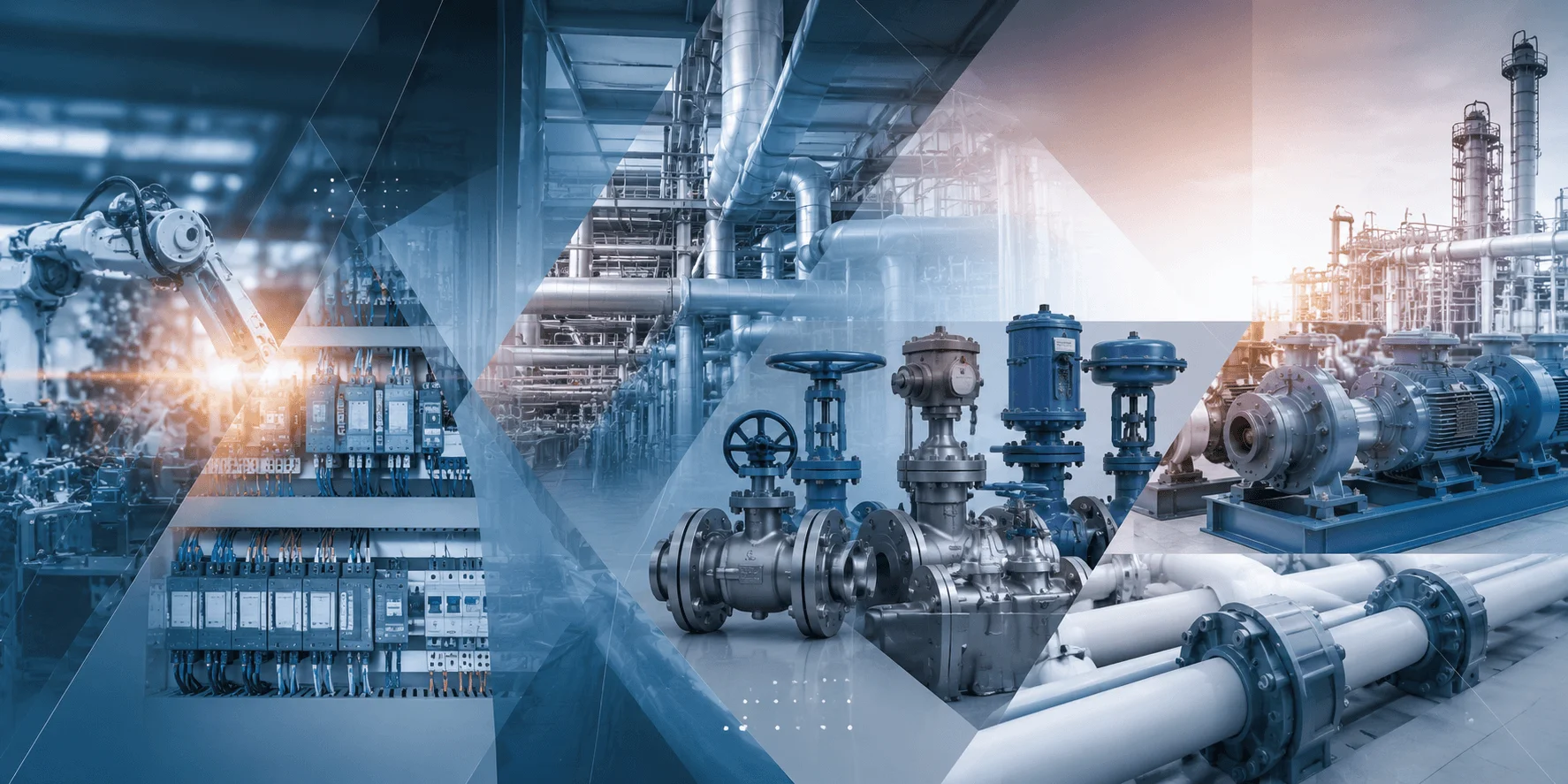
Key Components of Flow Control Systems
1. Valves
Valves regulate the flow by opening, closing, or partially obstructing the flow path.
2. Pumps
Pumps move fluids through the system and maintain required pressure levels.
3. Sensors
Sensors monitor flow rate, pressure, and temperature.
4. Control Systems
Automation systems like PLC and SCADA ensure precise control.
Importance of Flow Control
1. System Efficiency
Proper flow control ensures optimal system performance.
2. Equipment Protection
Prevents damage caused by pressure surges or flow fluctuations.
3. Safety
Reduces risks associated with hazardous fluids.
4. Energy Savings
Optimized flow reduces energy consumption.
Types of Flow Control Methods
Manual Control
Operators adjust valves manually.
Automatic Control
Uses sensors and controllers for real-time adjustments.
Feedback Control Systems
Continuously monitor and adjust system parameters.
Applications
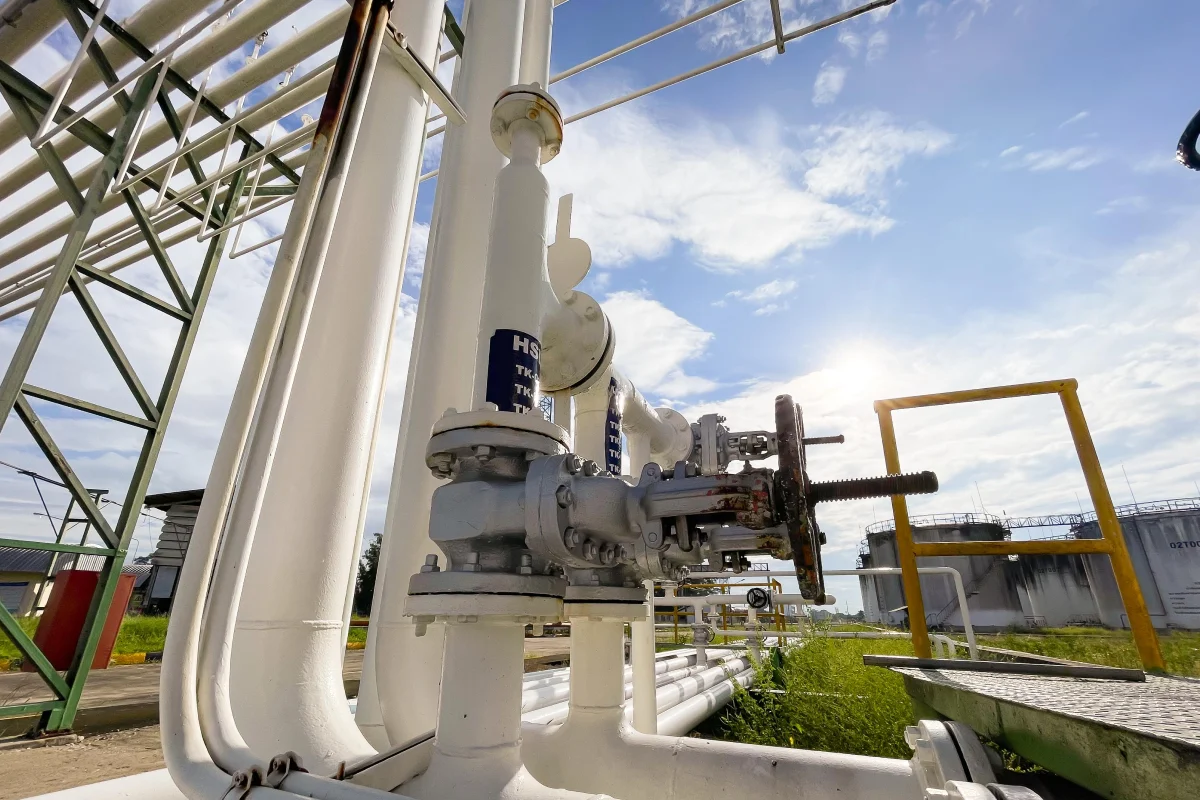
- Oil & Gas pipelines
- Chemical processing plants
- Power generation systems
- Water treatment facilities
Challenges in Flow Control
- Pressure fluctuations
- Equipment wear and tear
- System inefficiencies
Future Trends
- Smart flow control systems
- AI-based optimization
- IoT-enabled monitoring
Conclusion
Flow control is essential for efficient and safe industrial operations. By implementing advanced control systems, industries can improve performance and reduce costs.